

.png)
.png)
Lights, Camera, Palm Springs: Movies Filmed in the Desert Oasis

Paul Kaplan
I've made it a professional goal to be known as a leader in the real estate industry in the Palm Springs market for the past 25+ years...
I've made it a professional goal to be known as a leader in the real estate industry in the Palm Springs market for the past 25+ years...
Photo source: Cast members on location in the desert during the filming of It’s a Mad, Mad, Mad, Mad World (1963), one of the era’s most ambitious ensemble comedies, which used the Palm Springs–area landscape to amplify its sense of scale and chaos. Image © MGM.
Palm Springs has long played itself—or a slightly idealized version of it—on the silver screen. Framed by dramatic mountains and defined by modernist architecture, the city’s sun-soaked glamour has made it a natural stand-in for leisure, luxury, and escape. For decades, filmmakers have turned to Palm Springs to tell stories of reinvention, excess, romance, and sometimes quiet unraveling.
In this edition of Lost Palm Springs, we look at the movies filmed here—not just as entertainment, but as a visual archive. From classic Hollywood productions to cult favorites and contemporary films, these movies captured buildings, resorts, and desert landscapes that have since evolved or disappeared. Together, they preserve fleeting moments in Palm Springs’ cinematic past, offering a unique lens into the city we once were—and how we’ve been imagined on screen ever since.
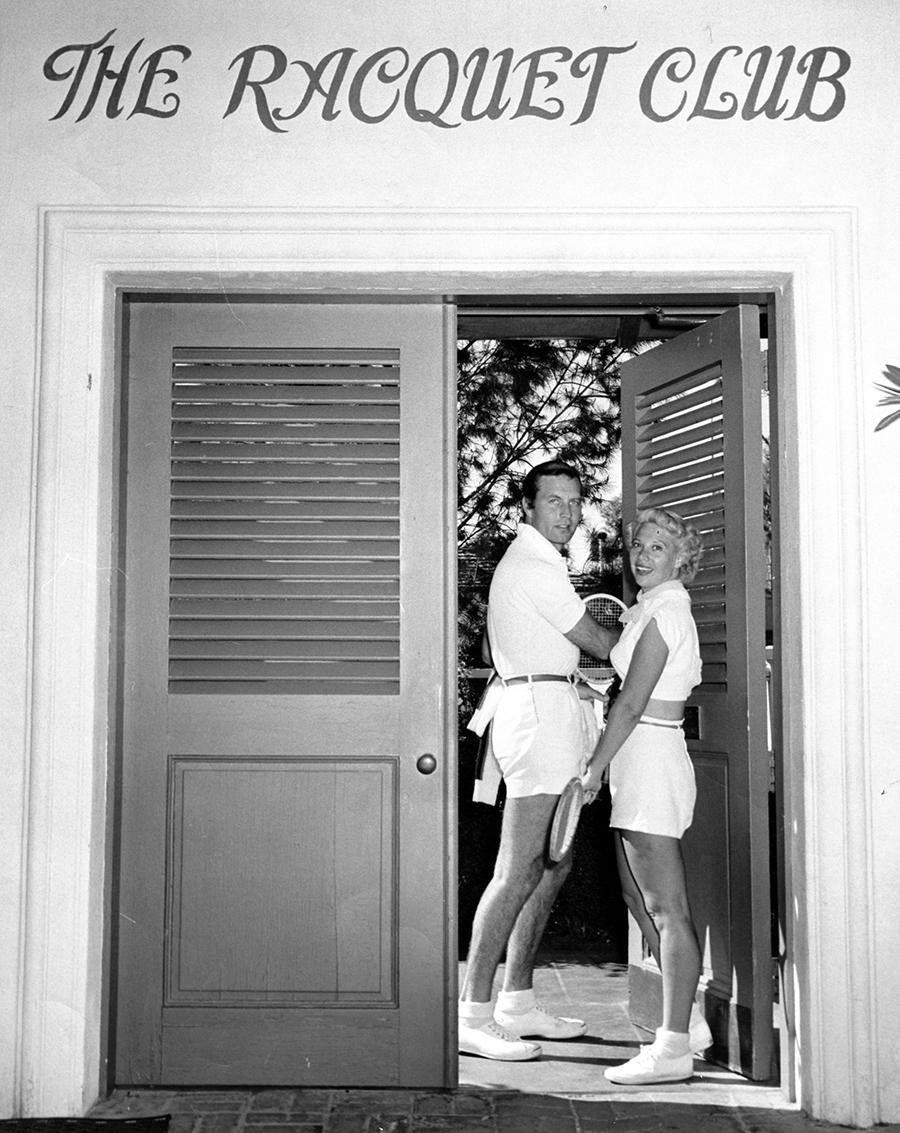
Racquet Club, Palm Springs (Historic Photo)
Image courtesy of Visit Palm Springs
The Racquet Club was a famed Hollywood hangout and tennis resort that helped define Palm Springs’ celebrity culture from the 1930s through the 20th century.
🌴 Classic Hollywood Finds Its Desert Playground

In the 1930s and ’40s, Palm Springs became a convenient escape for studios and stars alike—far enough from Los Angeles to feel exotic, but close enough for a day’s drive. Early films used the desert as a backdrop for romance, adventure, and musical numbers, reinforcing Palm Springs’ image as a glamorous retreat for the rich and famous.

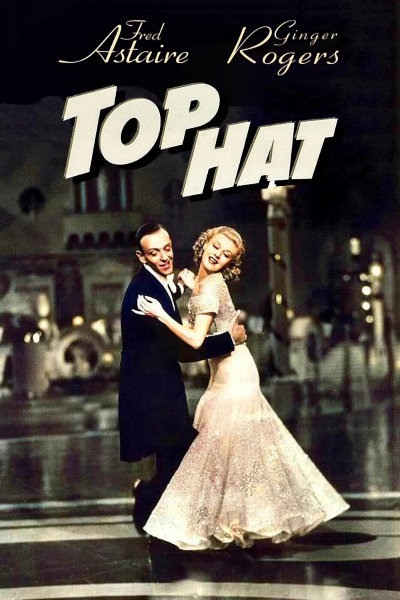
The Saint uses Palm Springs’ sleek desert architecture and wide-open landscapes to convey a sense of wealth, isolation, and reinvention—capturing the city’s cinematic allure as both a glamorous escape and a high-stakes hideaway. One other notable example is Top Hat, starring Fred Astaire and Ginger Rogers. While much of the film was shot on sound stages, Palm Springs’ desert aesthetic influenced the era’s idea of luxury leisure—an image Hollywood would revisit again and again.
🏊 Midcentury Cool Takes Center Stage

Source: Don’t Worry Darling (2022), Warner Bros. Pictures, in front of the Kauffman House in Palm Springs
By the 1950s and ’60s, Palm Springs wasn’t just a backdrop—it was part of the story. The rise of midcentury modern architecture, resort culture, and poolside living made the city irresistible to filmmakers.
Films like Palm Springs Weekend leaned fully into the city’s youthful, sun-drenched image. Featuring music, dancing, convertibles, and pool parties, the film captured Palm Springs at its peak as a playground for young Angelenos—and cemented its reputation as the ultimate weekend escape.
Warner Bros. Pictures / © 1963 Warner Bros. Entertainment Inc.
Another standout, It Happened at the World's Fair, starring Elvis Presley, included scenes filmed in the desert region, blending Hollywood stardom with Palm Springs’ growing cultural cachet.
🌞 The Desert Goes Dark (and Weird)
Not every Palm Springs movie leaned into sunshine and martinis. The stark desert landscape also attracted filmmakers interested in moodier, more surreal storytelling.
Cult classics and thrillers used the isolation and heat to dramatic effect, transforming Palm Springs from paradise into something more unsettling. The desert became a place of secrets, reinvention, and sometimes danger—adding depth to the city’s on-screen persona.
🎥 Palm Springs Plays Itself (Again)
Recently, Palm Springs has enjoyed a cinematic revival, often playing itself unapologetically. The city’s recognizable architecture and retro-cool vibe have become shorthand for stylish escapism.
The modern rom-com Palm Springs, starring Andy Samberg, used the city as both setting and character. Filmed at various resorts and desert locations, the movie blends midcentury nostalgia with contemporary humor—proving that Palm Springs remains just as camera-ready today as it was 60 years ago.
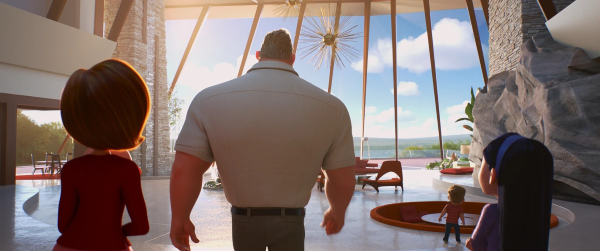
Source: Incredibles 2 (2018), Disney•Pixar
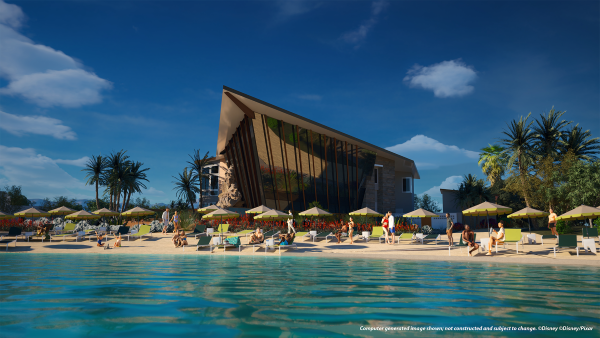
Even animated worlds carry the unmistakable influence of Palm Springs. In Incredibles 2, Pixar’s production designers deliberately drew inspiration from Palm Springs’ midcentury modern architecture, touring and photographing iconic desert homes to inform the sleek, low-slung design of the Parr family’s residence. That influence didn’t stop on screen—elements of the Parr house’s design language have since crossed into the real world, inspiring architectural concepts now appearing in Cotino, Disney’s new planned community in Rancho Mirage. It’s a rare full-circle moment: Palm Springs modernism inspiring animation, which then helps shape new desert architecture—further proof that the city’s design legacy continues to evolve, reappear, and influence popular culture in unexpected ways.
🎞️ Why Filmmakers Keep Coming Back
Palm Springs offers something few places can: natural drama and architectural elegance in the same frame. One wide shot captures mountains, palms, pools, and modernist lines—no set dressing required. Add predictable weather and a long history of welcoming Hollywood, and it’s easy to see why filmmakers keep returning.
More than just a filming location, Palm Springs has become a cinematic shorthand for leisure, reinvention, and desert glamour—whether portrayed as a carefree playground or a surreal escape from reality.
🌞 Modern & Contemporary Palm Springs (2000s–Present)
Don't Worry Darling
A glossy, unsettling love letter to Palm Springs modernism. Filming locations include the Kaufmann Desert House and the Palm Springs Visitor Center (originally the Tramway Gas Station), using real midcentury architecture to create a fictional 1950s utopia.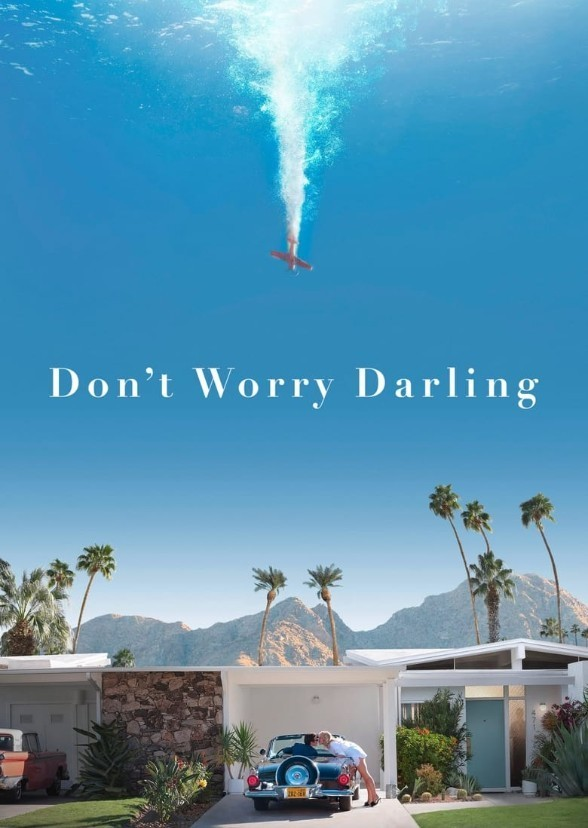
Palm Springs
A modern cult favorite that fully embraces Palm Springs as both setting and character. While the wedding resort scenes were filmed in Santa Clarita, the desert vistas, tone, and time-loop absurdity are unmistakably Palm Springs and Joshua Tree.
A Star Is Born
Features Coachella Valley landmarks including the Empire Polo Club in Indio and scenes filmed at the Palm Springs Convention Center.Behind the Candelabra
Filmed at Our Lady of Solitude Church and various Palm Springs estates, this HBO biopic recreates Liberace’s lavish desert lifestyle and captures a very specific era of Palm Springs excess.One Night at McCool's
Uses Palm Springs locations to stand in for a sun-baked, noir-tinged setting in this dark comedy.
🌴 Late 20th Century: Style, Excess & Cult Appeal (1970s–1990s)
American Gigolo
Palm Springs plays a pivotal role in Paul Schrader’s stylish neo-noir. The desert marks the film’s tonal shift from glossy Los Angeles to something darker and more dangerous.The Rheiman House: Julian (Richard Gere) is sent to a modernist estate at 2389 South Yosemite Drive, located on the grounds of Indian Canyons Golf Resort.
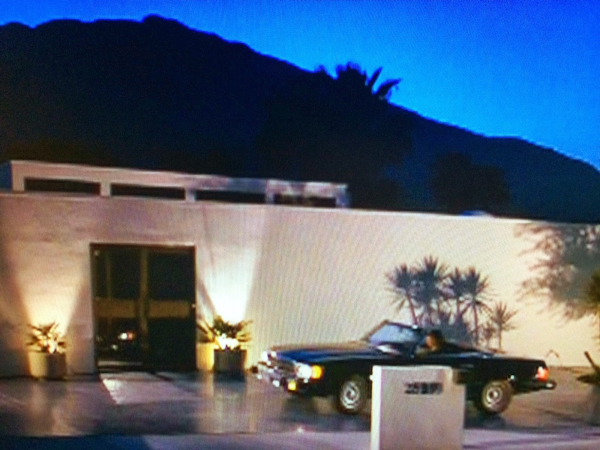 Source: American Gigolo (1980), Paramount Pictures
The Drive: Features the iconic I-10 approach past the San Gorgonio wind turbines, set to Blondie’s “Call Me.”
Desert Hearts
A landmark LGBTQ+ film, partially shot in Palm Springs and the surrounding desert, capturing both emotional isolation and liberation in wide-open landscapes.The Player
Robert Altman’s razor-sharp Hollywood satire includes scenes filmed in Palm Springs’ resort environment, reinforcing the city’s connection to industry insiders and escape culture.Fear and Loathing in Las Vegas
Several desert sequences were filmed in the Coachella Valley, using the harsh landscape to heighten the film’s surreal tone.
🎞️ Classic & Midcentury Era (1950s–1960s)
Palm Springs Weekend
The quintessential early-’60s spring break movie, filmed at the Riviera Resort & Spa. A full-on time capsule of youth culture, pool parties, and carefree desert glamour.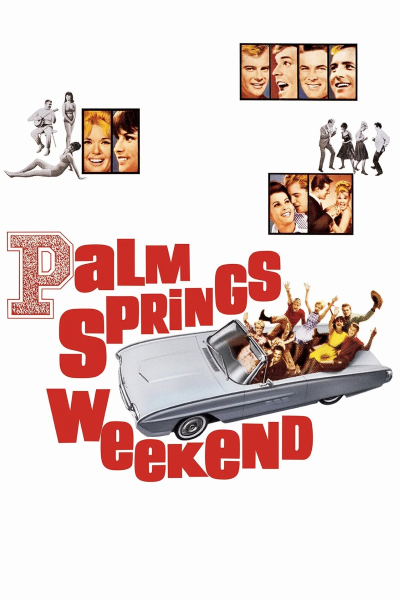
The Damned Don't Cry
Joan Crawford stars in this noir that prominently features Frank Sinatra’s Twin Palms Estate, offering rare on-screen documentation of one of Palm Springs’ most famous modernist homes.The Benny Goodman Story
Includes Palm Springs resort scenes reflecting the city’s rise as a celebrity retreat during the postwar boom.It Happened at the World's Fair
An Elvis Presley film featuring desert scenes shot in the Palm Springs region.
🎥 Classic & Cult Favorites with Iconic Locations
Diamonds Are Forever
James Bond battles assassins at the Elrod House, John Lautner’s dramatic concrete-and-glass masterpiece, which still stands today as a private residence located in the exclusive Southridge community.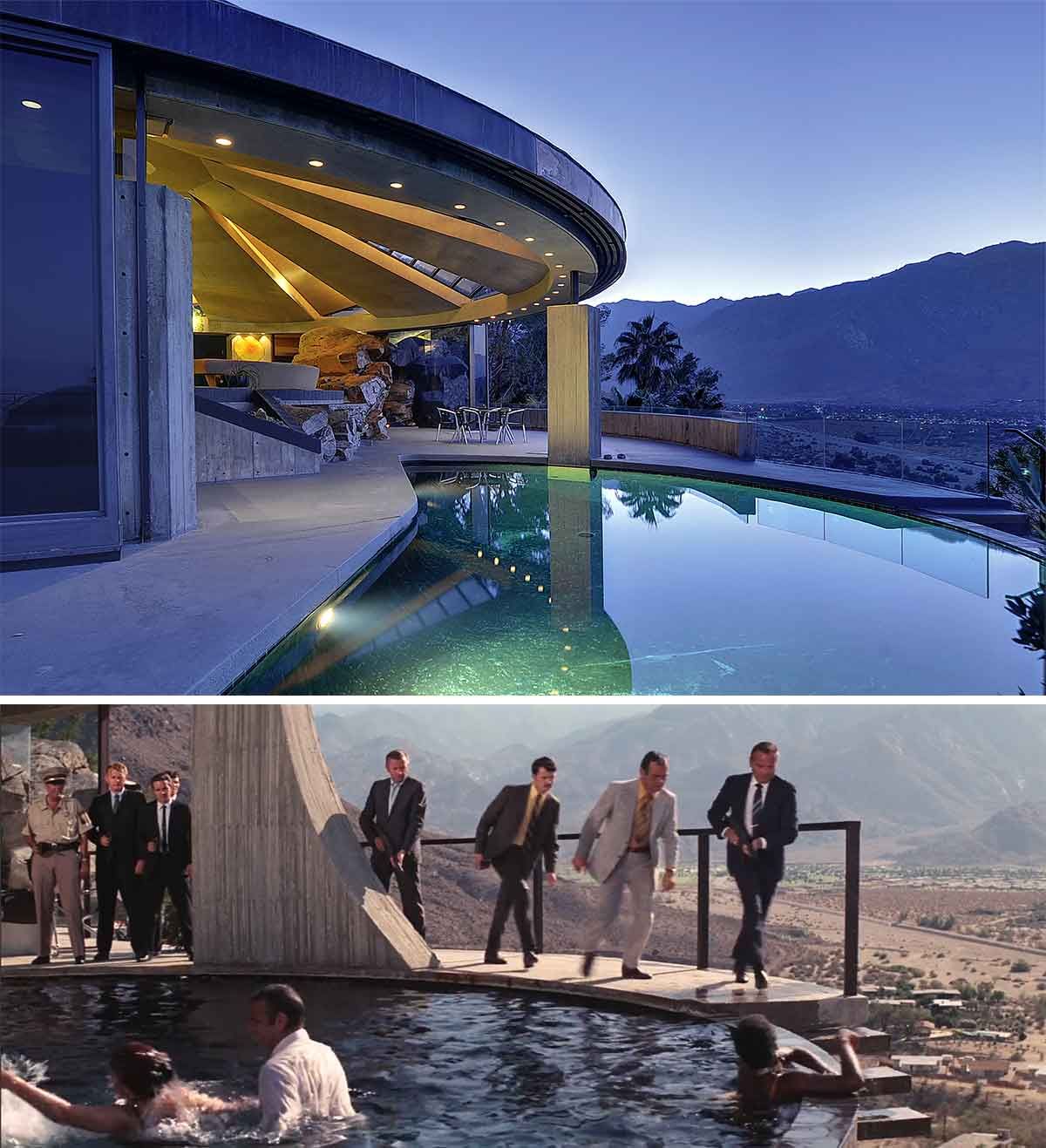 Top: Elrod House, Palm Springs, designed by John Lautner. Bottom: Film still from Diamonds Are Forever (1971).
© Warner Bros. Pictures. The image was utilized for editorial purposes.Pee-wee's Big Adventure
The unforgettable “Large Marge” scene leads Pee-wee to the Cabazon Dinosaurs, located just west of Palm Springs and forever linked to desert road-trip mythology.Welcome to Me
Also starring Kristen Wiig, this dark comedy-drama was filmed in Palm Springs and the Coachella Valley, using the city’s resorts and desert setting to underscore themes of isolation, identity, and reinvention—very much Palm Springs beneath the humor.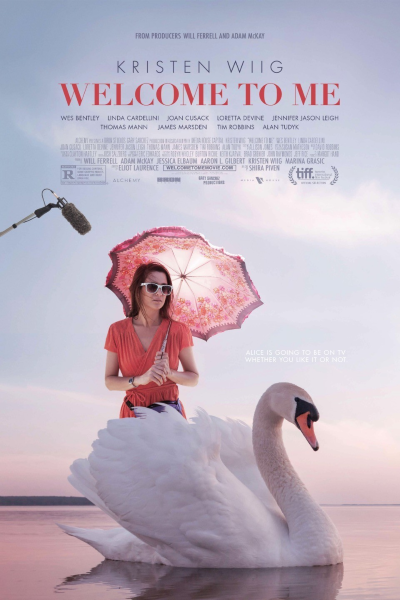
It's a Mad, Mad, Mad, Mad World
This epic comedy features scenes filmed in and around Palm Springs, using the desert landscape and nearby roadways to heighten the film’s sense of scale, chaos, and sunbaked absurdity—capturing the Coachella Valley at the height of America’s car-culture era.

Palm Springs Life elaborated on the film history of Palm Springs as well: Movies Filmed in Palm Springs Through History: Released in July 2023, the hyper-saturated world of Barbie may look like pure CGI, but Barbie Land was largely built by hand at Warner Bros. Studios Leavesden in England. Production designer Sarah Greenwood and set decorator Katie Spencer drew direct inspiration from Palm Springs midcentury icons—including the Kaufmann Desert House and the Edris (Morse) House—and even incorporated a hand-painted backdrop of the San Jacinto Mountains, subtly rooting this fantasy world in the desert modernism that helped define Palm Springs’ visual legacy.  Source: Barbie (2023), Warner Bros. Pictures
As with so many stories in our Lost Palm Springs series, these films do more than entertain—they preserve moments in time.Long before Instagram, drones, or lifestyle branding, Hollywood cameras captured Palm Springs as it truly was: its architecture, its resorts, its desert roads, and its evolving identity. We can revisit altered, reimagined, or completely lost places through these movies. As part of the Paul Kaplan Group’s ongoing exploration of Palm Springs history, design, and lifestyle, Lost Palm Springs continues to uncover the stories that shaped this desert oasis—one neighborhood, one building, and now, one film at a time.
BONUS: Palm Springs is a living museum of mid-century modern design, with many of its most iconic buildings gaining worldwide fame through their appearances in major motion pictures. This architectural tour takes you through the sleek lines and desert-inspired structures that defined "Desert Modernism."
| Movie | Locations to See Today | Corresponding Architecture/Setting |
| The Sheik (1921) | Coachella Valley Sand Dunes | The iconic "Sahara" double during the silent film era. |
| Lost Horizon (1937) | Tahquitz Canyon Waterfall | Stand-in for the Tibetan paradise of Shangri-La. |
| The Damned Don’t Cry (1950) | Twin Palms Frank Sinatra Estate | E. Stewart Williams' early modernist masterpiece. |
| Palm Springs Weekend (1963) | Riviera Resort & Spa Palm Springs | Quintessential "spring break" Hollywood Regency design. |
| It’s a Mad, Mad... World (1963) | Highway 74 Scenic Overlook | Rugged desert roads used for the film's epic race. |
| Diamonds Are Forever (1971) | Elrod House | John Lautner's concrete-and-glass organic architecture. |
| 3 Women (1977) | Desert Hot Springs Area | Stark, surrealist landscapes of the local spa town. |
| American Gigolo (1980) | Indian Canyons Golf Resort Area | Home to the modernist "Rheiman House" from the film. |
| Pee-wee’s Big Adventure (1985) | Cabazon Dinosaurs | The "Wheel Inn" site and massive roadside attractions. |
| Mission: Impossible III (2006) | San Gorgonio Wind Farm | The backdrop for the high-speed helicopter chase. |
| Don’t Worry Darling (2022) | Kaufmann Desert House & Canyon View Estates | Richard Neutra’s International Style & William Krisel’s "butterfly" roofs. |
Selling Your Home?
Get your home's value - our custom reports include accurate and up to date information.