



How to Identify an Authentic Mid-Century Modern Home in Palm Springs

Paul Kaplan
I've made it a professional goal to be known as a leader in the real estate industry in the Palm Springs market for the past 25+ years...
I've made it a professional goal to be known as a leader in the real estate industry in the Palm Springs market for the past 25+ years...
An Insider's Guide to Alexander, Meiselman, Charles DuBois, Wexler & Krisel Homes
By Paul Kaplan | The Paul Kaplan Group | Palm Springs Architectural Real Estate
Palm Springs is famous for its mid-century modern architecture. From butterfly roofs and clerestory windows to walls of glass overlooking swimming pools and mountain views, these homes helped define the desert lifestyle.
But not every home that looks mid-century modern has an authentic architectural pedigree.
As Desert Modernism has grown in popularity, many homes have been remodeled to capture the look of the 1950s and 1960s. Others are entirely new interpretations of the style. While these homes can be beautiful, there's a difference between a house inspired by an Alexander and one actually built by the Alexander Construction Company.
As a Palm Springs real estate broker with a degree in architecture and more than 25 years of experience selling desert homes, I've developed an appreciation for the architectural details that distinguish these properties.
Whether you're looking to purchase an authentic mid-century home or researching the history of one you already own, here's how to recognize some of Palm Springs' most celebrated architects and builders.
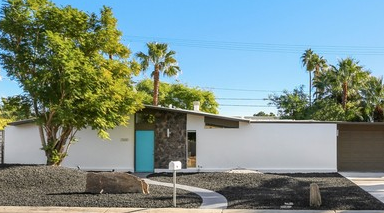
What Makes a Mid-Century Modern Home Authentic?
Mid-century modern architecture generally refers to homes designed during the 1940s through the 1960s. The movement embraced simplicity, functionality, open floor plans, and a connection to the outdoors.
In Palm Springs, architects adapted these ideas to the desert climate, creating what became known as Desert Modernism.
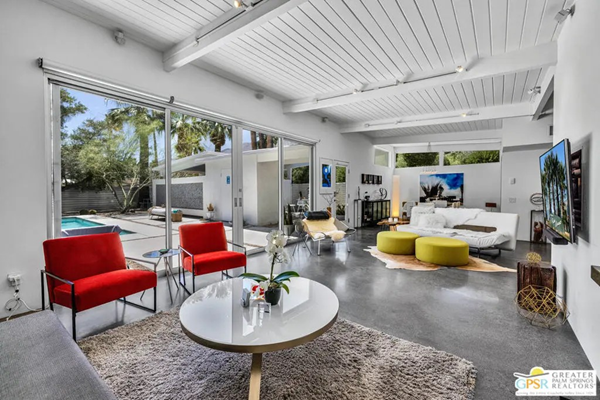
Seven Architectural Features to Look For
Post-and-beam construction: Exposed structural beams allow for open floor plans, expansive windows, and fewer interior supporting walls.
Clerestory windows: Windows positioned high along the roofline bring natural light inside while maintaining privacy.
Distinctive rooflines: Butterfly, flat, low-pitched gable, and A-frame roofs are common features of Palm Springs modernism.
Indoor-outdoor living: Sliding glass doors, patios, courtyards, and pools extend the living space into the landscape.
Decorative concrete block: Often called breeze block, these decorative walls provide privacy, shade, and architectural interest.
Simple materials: Wood, concrete, stucco, glass, and exposed structural elements create clean, uncluttered designs.
Climate-conscious design: Deep overhangs, shaded patios, and strategically placed windows help protect interiors from the desert sun.
While these elements can help identify a mid-century home, they don't necessarily establish who designed or built it. For that, it's important to understand the architects and developers who shaped Palm Springs.
Alexander Homes: The Builders Who Helped Define Palm Springs Modernism
Few names are more closely associated with Palm Springs mid-century architecture than Alexander.
The Alexander Construction Company, led by George Alexander and his son Robert, helped transform Palm Springs during the 1950s and 1960s. Their developments made architect-designed modern homes available to a broader range of buyers.
An important distinction is that the Alexanders were developers and builders, not architects. They collaborated with designers such as William Krisel, Charles DuBois, and Donald Wexler.
How to Recognize an Alexander Home
Alexander homes often feature exposed post-and-beam construction, tongue-and-groove ceilings, clerestory windows, and expansive sliding glass doors.
Many were constructed using similar floor plans with different rooflines and exterior treatments. A butterfly-roof home might sit next to a low-pitched gable design, even though their interior layouts are nearly identical.
This approach gave entire neighborhoods architectural variety while maintaining affordable construction costs.
Where to Find Alexander Homes
Twin Palms: One of the earliest Alexander developments, featuring iconic William Krisel designs.
Racquet Club Estates: A large concentration of Alexander homes, many designed by Palmer & Krisel.
Vista Las Palmas: Known for larger Alexander residences, distinctive rooflines, and impressive mountain settings.
Insider tip: Not every butterfly-roof home is an Alexander. Original tract maps, building permits, and floor plans can help verify a home's history.
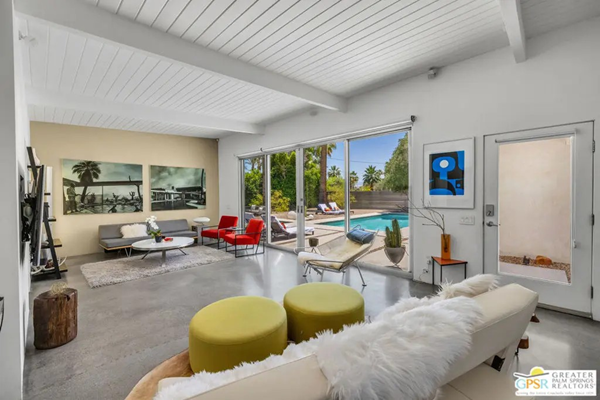
Meiselman Homes: A Distinctive Alternative to Alexanders
Alexander and Meiselman homes are frequently confused, and understandably so. Both builders produced innovative, affordable modern homes during the same period.
Jack Meiselman and his wife, Berne, developed numerous modern homes throughout Palm Springs, often working with architectural designer Jack Moyer.
Their homes share many characteristics with Alexander properties but have their own recognizable details.
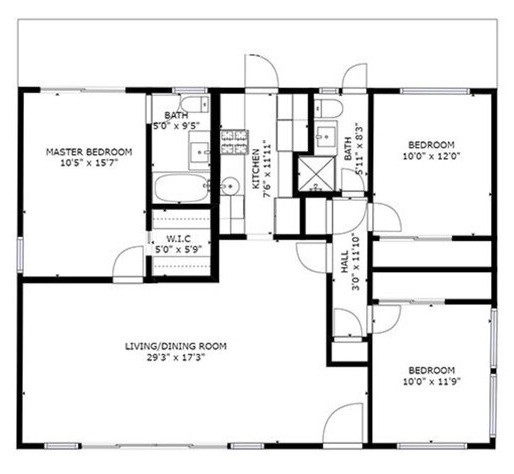
How to Recognize a Meiselman Home
Meiselman homes frequently feature angular rooflines, clerestory windows, decorative concrete block, exposed beams, and open living spaces.
Many incorporate interesting courtyard entries, carefully positioned windows, and distinctive roof configurations.
Although the designs overlap with Alexander homes, their proportions, window arrangements, and original floor plans can offer clues to their identity.
Where to Find Meiselman Homes
Meiselman properties can be found in Racquet Club Estates, Sunrise Park, Movie Colony East, Vista Norte, Oasis del Sol, and other areas of central and northern Palm Springs.
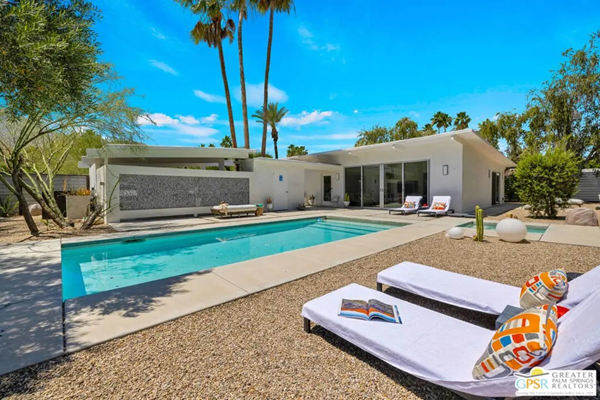
An Example: 1910 North Berne Drive
A wonderful example of Meiselman's architectural legacy is the 1959 Jack Moyer-designed home at 1910 North Berne Drive in Racquet Club Estates, a property we've had the pleasure of representing.
Known as Les Trois Palmes, the residence features decorative concrete block, clerestory windows, post-and-beam construction, and seamless indoor-outdoor living.
Its thoughtful restoration demonstrates how an authentic mid-century home can incorporate modern amenities while preserving its architectural character.
Learn more about Meiselman's contributions to Palm Springs architecture:
https://www.paulkaplanhomes.com/blog/shaping-palm-springs-jack-meiselman
Insider tip: The Meiselman Registry is an excellent resource for researching these homes and their architectural history.
https://meiselmanregistry.org/
Charles DuBois: The Architect Behind the Swiss Miss Homes
Some of Palm Springs' most recognizable mid-century homes were designed by architect Charles DuBois.
His famous Swiss Miss designs combine modern architecture with dramatic A-frame rooflines inspired by Swiss chalet and Polynesian architectural forms.
The result is one of the city's most distinctive architectural styles.
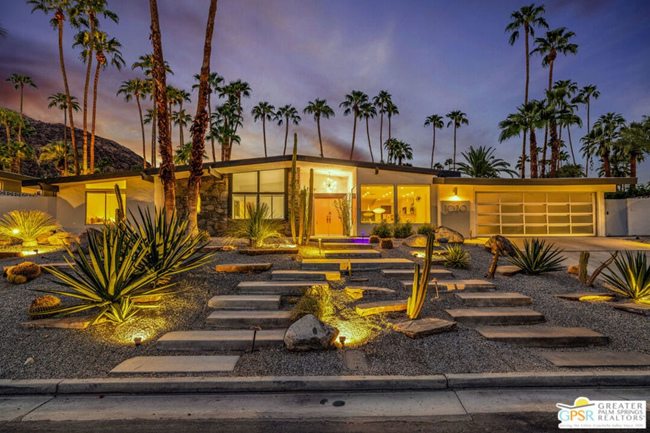
How to Recognize a Charles DuBois Home
The most recognizable feature of a Swiss Miss home (also referred to as Desert Aloha) is its steeply pitched A-frame roof, often extending almost to the ground.
These dramatic rooflines are typically paired with flat-roof sections, natural stone accents, large windows, and open living spaces.
DuBois also designed other residential communities, proving his talents extended well beyond the Swiss Miss style.
Where to Find Charles DuBois Homes
Vista Las Palmas: Home to the iconic Swiss Miss residences developed by the Alexander Construction Company.
Canyon Estates: A South Palm Springs condominium community associated with DuBois' architectural work.
Desert Lanai- Located in central Palm Springs, this community showcases DuBois' work on a small scale, with this popular condominium community.
Insider tip: Not every A-frame home is a DuBois design. Architectural documentation is important when confirming a property's pedigree.
Donald Wexler: The Architect Who Brought Steel to the Desert
Donald Wexler was among Palm Springs' most innovative modernist architects, exploring new building materials and construction methods.
His best-known residential project is the collection of seven prefabricated steel homes designed with Richard Harrison in the early 1960s.
These houses demonstrated how industrial materials could be used to create elegant, functional modern residences.
How to Recognize a Wexler Steel House
The homes feature steel structural systems, clean geometric lines, lightweight roof forms, modular layouts, and expansive windows.
Their construction reflects Wexler's interest in efficiency, precision, and modern building technology.
Why Are There Only Seven Wexler Steel Houses?
The original development envisioned many more steel residences. However, increasing steel costs contributed to the cancellation of the project after just seven homes were completed. On a personal note, I wonder if the developers figured out that steel and glass may not have been the best building materials for the desert climate. We have known residents of some of the steel houses that have had extensive challenges trying to keep these home cool in the summer heat- so maybe it wasn't just that the cost of steel got too high??
Today, these seven houses are historically significant examples of experimental residential architecture.
Insider tip: Wexler designed many buildings beyond the Steel Houses. A property advertised as a Wexler is not necessarily one of the famous seven.
Wexler design a number of other residential communities, including El Rancho Vista Estates, and Sagewood. He was also a noted architect for many commerical buildings in Palm Springs, including the Palm Springs Airport terminal, among others.
William Krisel: The Architect Behind Many Alexander Homes
If the Alexander Construction Company helped build modern Palm Springs, architect William Krisel helped establish its architectural identity.
Working through Palmer & Krisel, he developed efficient, innovative home designs that combined affordability with sophisticated architecture.
His influence can be seen throughout Palm Springs and the Coachella Valley.
How to Recognize a Krisel-Designed Home
Krisel homes frequently feature butterfly or other distinctive rooflines, clerestory windows, exposed beams, and open floor plans.
He was particularly skilled at creating homes that felt larger than their actual square footage through thoughtful room arrangements, natural light, and connections to outdoor spaces.
His designs demonstrate that architectural quality doesn't necessarily require enormous homes or extravagant budgets.
Where to Find William Krisel Homes
Twin Palms: One of the earliest and most recognizable collections of Krisel-designed Alexander homes.
Racquet Club Estates: A major concentration of Palmer & Krisel designs.
Vista Las Palmas: Home to notable Alexander residences associated with Krisel.
Kings Point: A luxury community of single family homes in south Palm Springs
Canyon View Estates: A community of architectural town homes in south Palm Springs, featuring decorative block and clerestory windows.
Insider tip: A home can be both an Alexander and a Krisel. Alexander identifies the developer and builder, while Krisel identifies the architect.
How to Verify Your Palm Springs Home's Architect or Builder
Architectural features provide helpful clues, but documentation is the most reliable way to establish a property's history.
Here are several places to start:
Building permits: Original city records may identify the architect, builder, construction date, and subsequent modifications.
Tract maps and sales brochures: Original development materials can help match homes to specific builders and floor plans.
Historical photographs: Early photographs may reveal original details that have since been altered or removed.
Historic preservation records: The City of Palm Springs maintains information about historically significant properties and neighborhoods.
Architectural organizations: The Palm Springs Historical Society, Palm Springs Modern Committee, and Meiselman Registry provide useful research resources.
Experienced architectural real estate professionals: Someone familiar with Palm Springs' architectural history can help identify details, research documentation, and distinguish original features from later modifications.
My advice is simple: Never assume a home is an Alexander, Meiselman, or architect-designed residence based solely on its appearance or a real estate listing description.
Does Architectural Authenticity Affect a Palm Springs Home's Value?
This is an important question for both buyers and sellers.
Homes with documented architectural pedigrees can be especially appealing to buyers who appreciate historic design. However, an architect's name alone doesn't determine value.
Location, condition, views, lot size, original features, renovations, and market conditions all influence pricing.
A carefully restored Alexander retaining its original clerestory windows, roofline, and post-and-beam construction may appeal strongly to architecture enthusiasts. Meanwhile, a substantially remodeled home may attract buyers seeking modern luxury and convenience.
Restoration vs. Renovation
Restoration generally focuses on preserving or recovering original architectural features while accommodating modern living.
Renovation may involve more extensive modifications to floor plans, materials, windows, and exterior design.
Neither approach is necessarily wrong, but understanding the difference is important when evaluating a property's architectural integrity.
Although we love a vintage restoration, where a home maintains its original character, we have found that most buyers want remodeled kitchens and bathrooms. Although they may appreciate the original design aesthtic, the majority of buyers want modern conveniences.
What About Historic Designation?
Some Palm Springs homes have formal historic designations, which may provide preservation benefits while also requiring additional approvals for certain modifications.
Qualifying properties may be eligible for Mills Act agreements, which can offer significant property-tax incentives in exchange for preservation commitments.
Buyers should verify historic status, restrictions, and potential incentives with the City of Palm Springs.
Best Palm Springs Neighborhoods for Authentic Mid-Century Modern Homes
Palm Springs offers an extraordinary variety of architectural neighborhoods, each with its own history and character.
Racquet Club Estates
One of Palm Springs' most significant mid-century neighborhoods, Racquet Club Estates features Alexander homes designed by William Krisel, Meiselman residences, and the seven historically important Wexler Steel Houses.
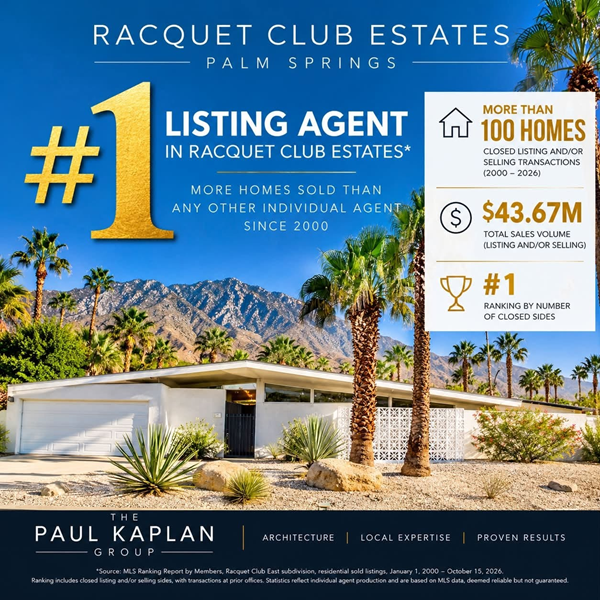
Example: 408 E. Glen Cirle, listed by The Paul Kaplan Group
The Paul Kaplan Group has sold more than 100 homes in Racquet Club Estates, giving us extensive firsthand experience with the neighborhood's architectural heritage.
Twin Palms
One of Palm Springs' earliest major Alexander developments, Twin Palms is particularly well known for its butterfly-roof Krisel homes and classic Desert Modernist streetscapes.
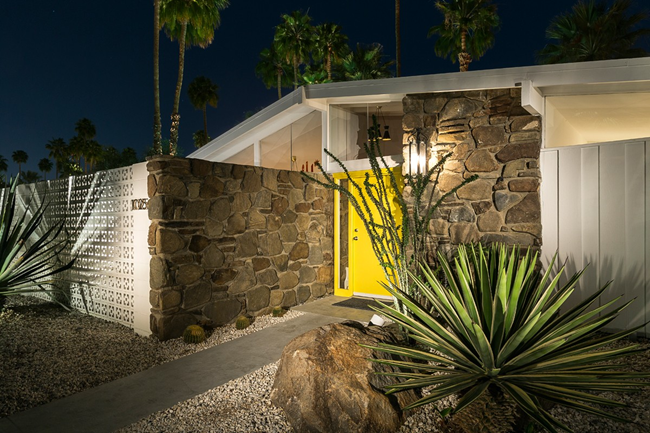
Vista Las Palmas
This neighborhood features Alexander homes, William Krisel designs, and the dramatic Swiss Miss residences by Charles DuBois, all set against the San Jacinto Mountains.
Sunrise Park
Sunrise Park includes numerous mid-century residences, including Meiselman homes and other architectural designs dating to Palm Springs' postwar development.
Sunmor
Known for its cohesive collection of Alexander-built homes, Sunmor remains a popular neighborhood among modern architecture enthusiasts.
Canyon Estates
Located in South Palm Springs, Canyon Estates offers a distinctive collection of condominium residences associated with Charles DuBois.
Canyon View Estates
Another condominium community, designed by William Krisel, consisting of architectural homes that feel more like single family homes than condos, with vast greenbelts surrounding them.
For more architectural neighborhoods, architect biographies, and available homes, visit our Palm Springs Architectural Homes Guide:
https://www.paulkaplanhomes.com/palm-springs-architectural-homes
Frequently Asked Questions About Palm Springs Mid-Century Modern Homes
How can I tell if my Palm Springs home is an Alexander?
Research original building permits, subdivision maps, floor plans, and historical records. Architectural features such as clerestory windows and butterfly roofs may offer clues, but documentation provides stronger evidence.
What's the difference between an Alexander and a Meiselman?
Both were Palm Springs developers who built modern homes during the 1950s and 1960s. Although their designs share many characteristics, original floor plans, roof configurations, and historical development records can help identify the builder.
Who designed Alexander homes?
Many were designed by William Krisel through Palmer & Krisel. Other architects, including Charles DuBois and Donald Wexler, also collaborated with the Alexander Construction Company.
Are all butterfly-roof homes designed by William Krisel?
No. Several architects used butterfly roofs during the mid-century period. A home's roofline alone doesn't establish its architect.
What is a Swiss Miss home?
Swiss Miss homes are a distinctive group of residences designed by Charles DuBois, featuring dramatic A-frame rooflines. They are especially associated with Vista Las Palmas. They are also referred to as "Desert Aloha" homes.
How many Wexler Steel Houses are in Palm Springs?
Seven prefabricated steel homes designed by Donald Wexler and Richard Harrison were completed in the early 1960s.
Are authentic mid-century homes worth more?
Architectural pedigree, original features, and quality restoration may contribute to buyer demand. However, value depends on location, condition, amenities, and comparable sales.
Can I remodel a historically designated home?
Yes, although certain exterior modifications may require preservation review and approval. Always check with the City of Palm Springs before planning significant alterations.
Why Architectural Knowledge Matters When Buying or Selling in Palm Springs
One of the things I've always loved about Palm Springs is that our architectural history isn't confined to museums. It's part of our everyday neighborhoods.
You can walk down a residential street and discover an important William Krisel design, a classic Meiselman, or an architectural experiment that helped redefine modern American housing.
These homes weren't simply designed to look interesting. They introduced new ideas about how people could live, emphasizing natural light, open spaces, and a stronger connection to the outdoors.
More than half a century later, those ideas remain remarkably appealing.
For buyers, understanding architectural history helps distinguish authentic mid-century residences from later interpretations. For sellers, documenting a home's architectural significance can help attract buyers who appreciate its unique character.
At The Paul Kaplan Group, architectural real estate has been a focus of our business for more than 25 years. My background in architecture, combined with extensive experience selling Palm Springs homes, gives our team a special appreciation for the design history that makes this market so unique.
Whether you're searching for an Alexander, Meiselman, Charles DuBois, Donald Wexler, William Krisel, or another architectural treasure, we'd be delighted to help.
Explore our Palm Springs Architectural Homes Guide and discover available properties:
https://www.paulkaplanhomes.com/palm-springs-architectural-homes
The Paul Kaplan Group | Bennion Deville Homes
Palm Springs • Rancho Mirage • Palm Desert • Coachella Valley
Architectural Resources and Further Reading
The following organizations and websites offer valuable information for anyone interested in researching Palm Springs mid-century modern architecture.
Palm Springs Historical Society
An excellent resource for historic photographs, architectural research, neighborhood history, and information about the people who helped shape Palm Springs.
https://pshistoricalsociety.org/
Palm Springs Modern Committee (PS ModCom)
A nonprofit organization dedicated to preserving significant modern architecture in Palm Springs and the Coachella Valley.
City of Palm Springs
The city's official website provides information about historic preservation, historic designations, building permits, and related regulations.
https://www.palmspringsca.gov/
Modernism Week
Palm Springs' internationally recognized celebration of mid-century architecture, featuring home tours, lectures, educational programs, and architectural events.
Meiselman Registry
A valuable resource documenting the history of Jack and Berne Meiselman, architect Jack Moyer, and Meiselman-built residences throughout Palm Springs.
https://meiselmanregistry.org/
Racquet Club Estates Neighborhood Organization
Learn more about the history and architectural heritage of one of Palm Springs' most important mid-century modern neighborhoods.
https://www.racquetclubestates.org/
Visit Palm Springs
Explore additional articles and information about Palm Springs architecture, historic neighborhoods, and Desert Modernism.
The Paul Kaplan Group — Palm Springs Architectural Homes Guide
Explore influential architects, significant mid-century neighborhoods, architectural history, and homes currently available for sale.
https://www.paulkaplanhomes.com/palm-springs-architectural-homes
Jack Meiselman: Shaping Palm Springs
Read our article about Jack Meiselman's contributions to Palm Springs architecture and the distinctive residences his company developed.
https://www.paulkaplanhomes.com/blog/shaping-palm-springs-jack-meiselman
*Architectural attribution should always be verified through reliable historical documentation. Building permits, original plans, tract maps, and preservation records are valuable sources when researching a home's architect or builder.
Selling Your Home?
Get your home's value - our custom reports include accurate and up to date information.