

.png)
.png)
HOA Fees, Land Lease Fees, and Special Assessments in Palm Springs

Paul Kaplan
I've made it a professional goal to be known as a leader in the real estate industry in the Palm Springs market for the past 25+ years...
I've made it a professional goal to be known as a leader in the real estate industry in the Palm Springs market for the past 25+ years...
HOA Fees, Land Lease Fees, and Special Assessments in Palm Springs: What Buyers Need to Know
When buying a home or condo in Palm Springs, the purchase price is only part of the equation. Whether you are searching for a midcentury modern condo, a gated resort-style community, a country club home, or a low-maintenance desert getaway, it is important to understand the full monthly cost of ownership.
In the Palm Springs real estate market, three expenses buyers often need to consider are HOA fees, land lease fees, and special assessments. These costs can affect affordability, resale value, financing, and your long-term comfort as a homeowner.
At The Paul Kaplan Group, we help buyers throughout Palm Springs and the Coachella Valley understand these costs before they make an offer, so there are no surprises after closing.
What Are HOA Fees in Palm Springs?
HOA fees, or homeowners association dues, are monthly fees paid by homeowners in certain condo communities, gated neighborhoods, planned developments, country clubs, and 55+ communities. These fees help cover the cost of maintaining shared areas, amenities, insurance, and community operations.
In the Palm Springs area, HOA fees vary widely depending on the type of property and the services included. A smaller condo community with limited amenities may have lower monthly dues, while a luxury resort-style community with multiple pools, tennis courts, landscaping, gates, roofs, exterior maintenance, cable, water, and insurance will typically have higher fees.
As a general guideline, many Palm Springs condo HOA fees fall somewhere in the $500 to $900 per month range. Some communities are lower, while luxury communities, country clubs, and high-service developments can exceed $1,000 to $1,200+ per month.
For buyers searching for Palm Springs condos for sale, HOA fees should always be reviewed carefully because they can dramatically change the true monthly cost of owning the property.
What Do Palm Springs HOA Fees Typically Cover?
Every HOA is different, so buyers should always review the HOA documents, budget, reserve study, meeting minutes, and disclosures. However, HOA fees in Palm Springs and the surrounding desert communities often cover some combination of:
Exterior building maintenance
This may include roofs, stucco, exterior paint, carports, balconies, walkways, and other shared structures.
Landscaping and irrigation
In the desert, landscaping can be a major expense. Many Palm Springs HOA communities maintain common-area landscaping, irrigation systems, palm trees, lawns, desert plantings, and community grounds.
Pools and spas
Many Palm Springs condo communities are known for their beautiful pools and resort-style outdoor spaces. HOA dues may help pay for pool cleaning, heating, maintenance, repairs, and insurance.
Common-area utilities
This may include electricity for lighting, water for landscaping, gas for pools or spas, and other shared utility expenses.
Trash, water, sewer, cable, or internet
Some Palm Springs HOAs include certain utilities or services in the monthly dues. Others do not. This can make a big difference when comparing communities.
Gates, security, and patrol services
Gated communities may include gate maintenance, security patrol, or guard-gated services as part of the HOA fees.
Insurance for common areas
HOA fees often help pay for master insurance policies covering common areas and shared structures. This is separate from the individual homeowner’s personal insurance policy.
Reserve funding
A portion of HOA dues should ideally go into reserves, which are savings for future repairs and replacements such as roofs, roads, pools, gates, elevators, and major mechanical systems.
A well-managed HOA with healthy reserves can help protect property values and reduce the chances of sudden large expenses.
Can HOA Fees Go Up?
Yes. HOA fees can and often do increase over time.
Buyers should not assume that the current monthly HOA fee will stay the same forever. Like everything else, HOA expenses are affected by inflation, labor costs, insurance premiums, utilities, maintenance needs, and aging infrastructure.
In Palm Springs, many condo communities were built decades ago. While these communities may have wonderful architecture, mature landscaping, and prime locations, older buildings can also require ongoing maintenance. Roofs, plumbing, pools, roads, elevators, gates, clubhouses, and common-area landscaping all eventually need repairs or replacement.
For buyers looking at Palm Springs condos, midcentury modern condos, or HOA communities in the Coachella Valley, it is important to ask:
How much are the monthly HOA dues?
What do the HOA fees cover?
Have the HOA fees increased recently?
Are more increases expected?
Are the reserves adequately funded?
Are there any upcoming major repairs?
Are there any pending or approved special assessments?
The Paul Kaplan Group always recommends reviewing the HOA documents carefully during the buyer’s investigation period.
What Are Special Assessments?
A special assessment is an additional charge that homeowners may be required to pay on top of regular monthly HOA dues. Assessments are usually created to fund a specific repair, improvement, or unexpected expense that is not fully covered by the HOA’s regular budget or reserves.
Special assessments in Palm Springs HOA communities may be used for things like:
Roof replacement
Pool or spa renovations
Road or parking lot resurfacing
Elevator repairs
Clubhouse improvements
Plumbing or sewer repairs
Storm or flood damage
Insurance deductibles
Structural repairs
Gate repairs or security upgrades
Deferred maintenance
A special assessment may be charged as a one-time payment or spread out over several months or years.
Why Would an HOA Use an Assessment Instead of Raising Monthly HOA Fees?
In some cases, an HOA may issue a special assessment for a specific project instead of permanently increasing the monthly HOA dues. This can help keep the regular HOA fees lower while still allowing the community to pay for a major repair or improvement.
For example, if a community needs to resurface roads or replace pool equipment, the HOA may decide to charge each owner a temporary assessment rather than raise monthly dues indefinitely.
That said, buyers should look closely at why the assessment is being issued. Sometimes an assessment is simply a practical way to pay for a needed project. Other times, it may suggest that the HOA has not been collecting enough in reserves over the years.
A special assessment is not automatically a bad thing. It can mean the community is taking care of important maintenance. But buyers should understand the amount, purpose, payment schedule, and whether more assessments may be likely in the future.
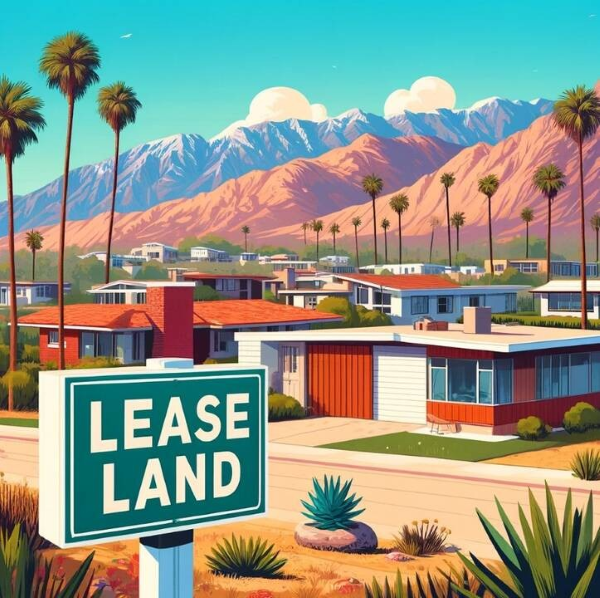
What Is Lease Land in Palm Springs?
Another important factor in the Palm Springs real estate market is lease land.
In many parts of the country, buyers are used to owning both the home and the land beneath it. This is called fee simple ownership. But in Palm Springs, some properties are located on leased land. With lease land, you own the home, condo, or improvements, but you do not own the land itself. Instead, you pay a lease fee, essentially renting the land underneath the property.
Palm Springs has a long history of lease land due to the checkerboard pattern of land ownership involving the Agua Caliente Band of Cahuilla Indians. As a result, many Palm Springs condos and homes are located on Indian lease land or other leased parcels.
For buyers searching for Palm Springs homes for sale, Palm Springs condos for sale, or midcentury modern properties in Palm Springs, it is important to know whether the property is on fee simple land or lease land.
How Much Are Land Lease Fees in Palm Springs?
Land lease fees in Palm Springs vary widely. There is no standard lease amount because each lease has its own terms, expiration date, payment structure, and adjustment schedule.
Some Palm Springs condo land leases may be a few hundred dollars per month. Others may be higher, especially for larger properties, more valuable homes, or communities with different lease structures.
Lease fees may be billed monthly, quarterly, semi-annually, or annually. Some leases have fixed increases, while others adjust based on formulas or scheduled renegotiations.
When reviewing a Palm Springs lease land property, buyers should ask:
How much is the current land lease payment?
How often is the lease payment due?
When does the land lease expire?
Can the lease be extended?
How often does the lease payment increase?
Is the lease payment fixed or adjustable?
Can the land be purchased?
Will lenders finance the property?
How does the lease affect resale value?
In general, homes and condos on leased land may have a lower purchase price than comparable fee simple properties. However, buyers need to consider the monthly lease payment and the long-term lease terms when evaluating the true cost.
Why the Length of a Land Lease Matters
When buying a property on lease land in Palm Springs, it is not enough to know only the monthly lease payment. Buyers also need to understand how many years are left on the lease.
Lease terms can vary significantly from one community to another. Some Palm Springs land leases extend far into the future, while others may have fewer years remaining. As the remaining lease term gets shorter, it can begin to affect financing, resale value, and buyer demand.
Typically, once a land lease has fewer than 35 years remaining, HOAs and community representatives may begin working with the landowner to negotiate a lease extension. This is important because many buyers initially think, “If there are 35 years left, I probably will not be here that long, so why should I worry about it?”
That may be true for the current owner, but the issue often becomes more important when it is time to sell.
Many lenders want the land lease to extend at least five years beyond the length of the loan. For example, if a buyer wants a 30-year mortgage, the lender may want to see at least 35 years remaining on the land lease. If the lease has less than 35 years remaining, that does not always mean financing is impossible, but it may limit the buyer’s loan options.
A buyer may need to consider a shorter loan term, such as a 20-year mortgage. In that case, the lender may require at least 25 years remaining on the lease. The challenge is that shorter-term loans often come with higher monthly payments because the loan is being paid off over fewer years. Higher payments can affect affordability, which can reduce the number of qualified buyers.
This is where lease length can affect property value. If a future buyer cannot obtain a typical 30-year loan because the lease term is too short, the property may appeal to a smaller buyer pool. Fewer financing options can make the property harder to sell or may put downward pressure on the price.
That does not mean buyers should automatically avoid lease land. Many Palm Springs lease land properties are in desirable locations and can offer good value. But buyers should understand the lease term, the expiration date, whether an extension is being discussed, and how the remaining lease length may affect future resale.
For any Palm Springs lease land property, buyers should review:
The current monthly or annual lease payment
The lease expiration date
How many years remain on the lease
Whether the lease can be extended
Whether an extension is already being negotiated
How lease payments may increase over time
Whether lenders will finance the property
How the lease term may affect future resale value
The more years remaining on the lease, the easier it typically is for buyers to obtain standard financing. As the lease term gets shorter, financing can become more complicated, and that can affect both affordability and market value.
Lease Land vs. Fee Simple in Palm Springs
A lower purchase price can make lease land attractive to some buyers. For example, a condo on leased land may appear more affordable than a similar fee simple condo. But once you add the HOA fee, land lease fee, property taxes, insurance, and any potential assessments, the monthly cost may be closer than expected.
Fee simple properties may cost more upfront, but some buyers prefer owning the land. Lease land properties may offer a lower entry price, but buyers need to be comfortable with the lease structure.
There is no one-size-fits-all answer. The right choice depends on the buyer’s budget, financing, timeline, comfort level, and long-term plans.
That is why working with a knowledgeable Palm Springs real estate agent is so important. The Paul Kaplan Group has decades of experience helping buyers evaluate both fee simple and lease land properties throughout Palm Springs and the Coachella Valley.
The True Cost of Owning a Palm Springs Home or Condo
When comparing properties, buyers should look beyond the list price. A lower-priced condo with a high HOA fee and land lease may not be less expensive on a monthly basis than a higher-priced fee simple property with lower HOA dues.
Before making an offer, buyers should consider the full monthly cost, including:
Mortgage payment
Property taxes
Homeowner insurance
HOA dues
Land lease fees, if applicable
Utilities not covered by the HOA
Special assessments
Maintenance costs
Potential future increases
This is especially important for retirees, second-home buyers, seasonal residents, investors, and anyone looking for predictable monthly expenses.
Why Local Experience Matters
Palm Springs real estate is unique. Between lease land, HOA fees, historic communities, midcentury architecture, resort-style condo developments, country clubs, and 55+ communities, buyers need more than just a property search. They need local guidance.
The Paul Kaplan Group has been helping buyers and sellers in Palm Springs and the Coachella Valley for decades. Our team understands the differences between fee simple and lease land, the importance of reviewing HOA documents, and the details that can affect long-term ownership costs.
Whether you are looking for a Palm Springs condo, a midcentury modern home, a vacation property, a 55+ community, or a full-time desert residence, understanding HOA fees, land lease fees, and assessments can help you make a smarter and more confident decision.
Important Reminder: Review Documents With the Appropriate Professionals
This article is intended for general informational purposes only and should not be considered legal, financial, tax, or lending advice. HOA documents, land leases, assessments, budgets, reserve studies, CC&Rs, bylaws, rules and regulations, and lease terms can vary significantly from one property or community to another.
Before purchasing a property, buyers are strongly encouraged to consult with the appropriate professionals, including a legal professional, financial advisor, tax advisor, lender, and other qualified experts as needed. These professionals can help review HOA documents, lease agreements, financing terms, assessment obligations, and other important details so buyers can verify the terms and understand how they may affect their purchase.
The Paul Kaplan Group can help buyers identify the documents and issues to review during the purchase process, but buyers should rely on their own professional advisors for legal, financial, tax, and lending guidance.
Final Thoughts
HOA fees, lease land fees, and special assessments are all part of the Palm Springs real estate landscape. They are not necessarily negatives, but they do need to be understood.
A well-run HOA can provide beautiful amenities, maintain common areas, support property values, and make desert living easier. Lease land can offer access to desirable Palm Springs neighborhoods at a potentially lower purchase price. Special assessments can help communities complete important projects without permanently increasing monthly dues.
The key is knowing what to look for before you buy.
For expert guidance on Palm Springs homes for sale, Palm Springs condos, lease land properties, HOA communities, and Coachella Valley real estate, contact The Paul Kaplan Group. We can help you understand the numbers, compare communities, and find the right desert home for your lifestyle.
Selling Your Home?
Get your home's value - our custom reports include accurate and up to date information.